
KEYNOTE SPEAKERS
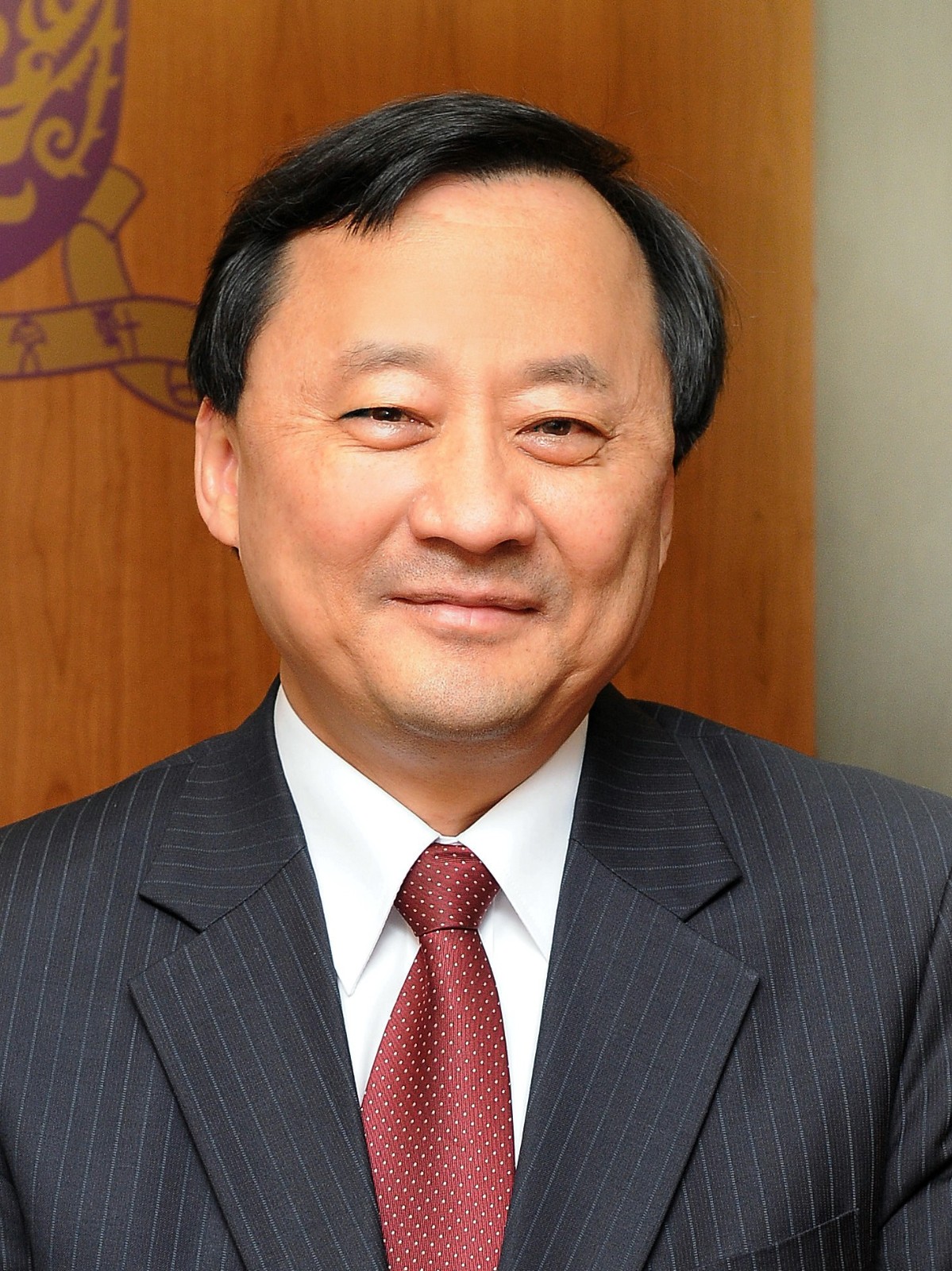 | Prof. Yun Sing HuaThe Chinese University of Hong Kong, China |
Professor Yun Sing Hua is an Emeritus Professor at The Chinese University of Hong Kong (CUHK) and an Emeritus Franklin W. Woeltge Professor of Electrical and Computer Engineering at the University of Illinois Urbana-Champaign (UIUC). He previously served as Pro-Vice-Chancellor of CUHK and Wei Lun Professor of Computer Science and Engineering. From 2013 to 2019, he served as Chairman of the Research Grants Council of Hong Kong.Professor Hua has also held academic appointments in Singapore, where he served as Director of the Advanced Digital Sciences Center, established by the University of Illinois and funded by Singapore's Agency for Science, Technology and Research (A*STAR). At UIUC, he was the Franklin W. Woeltge Professor of Electrical and Computer Engineering and a Professor at the Coordinated Science Laboratory. He received his Ph.D. in Computer Science from the University of California, Berkeley, in 1979.Professor Hua has received numerous prestigious international awards in recognition of his academic and professional achievements. These include the IEEE Computer Society Technical Achievement Award (1998), the IEEE Millennium Medal (2000), the IEEE Computer Society W. Wallace McDowell Award (2006), the Pan Wen-Yuan Outstanding Research Award (2006), the IEEE Computer Society Richard E. Merwin Award (2007), the IEEE Computer Society Tsutomu Kanai Award (2009), and the Distinguished Alumni Award in Computer Science from the University of California, Berkeley (2011).His research interests include nonlinear search and optimization, multimedia technologies, artificial intelligence, big data applications, and multimedia signal processing. From 2013 to 2018, he served as the Chief Scientist of China's National Basic Research Program (973 Program) project entitled "Theory and Applications of Network Big Data Computing."A pioneer in academic publishing, Professor Hua was among the founding contributors to the IEEE Transactions on Knowledge and Data Engineering in 1988 and served as its Editor-in-Chief from 1993 to 1996. He is also a co-founder and currently serves as Co-Editor-in-Chief of the Elsevier journal Computers and Education: Artificial Intelligence. In addition, he is Honorary Editor-in-Chief of Knowledge and Information Systems. He serves on the editorial boards of several other journals, including Information Sciences, International Journal on Artificial Intelligence Tools, Journal of VLSI Signal Processing, and World Wide Web.Professor Hua has held several prominent leadership positions within the IEEE Computer Society, including Vice President for Publications (1998–1999) and President (2001).In 2021, he was awarded the Bronze Bauhinia Star by the Government of the Hong Kong Special Administrative Region. He is a Fellow of the American Association for the Advancement of Science (AAAS) and the Association for Computing Machinery (ACM), as well as a Life Fellow of the Institute of Electrical and Electronics Engineers (IEEE). In 2026, he was conferred an Honorary Fellowship by The Chinese University of Hong Kong. Speech Title: Real-Time Multimedia Perceptual Quality Assessment: An Artificial Intelligence Approach | |
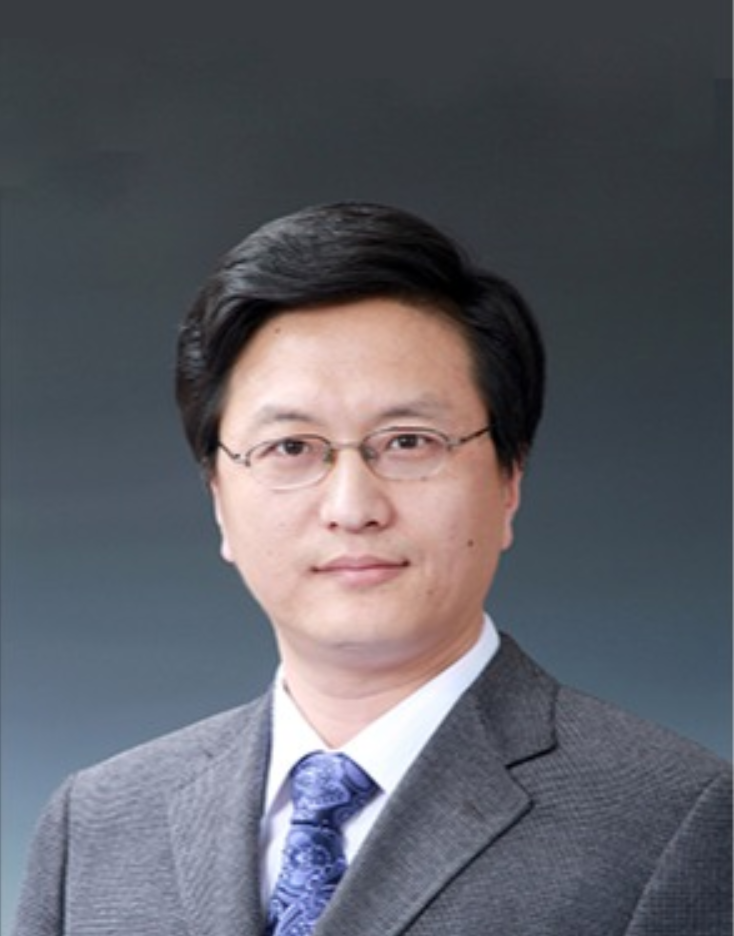 | Prof. Jie ZhouTsinghua University, China |
Jie Zhou is the Director of the Public Security Ministry's National Key Laboratory, a professor at Tsinghua University, a leader of a research group under the National Natural Science Foundation of China's Innovation Research Group Program, and a recipient of the National Science Fund for Distinguished Young Scholars. He is a Fellow of the Institute of Electrical and Electronics Engineers (IEEE), a Fellow of the International Association for Pattern Recognition (IAPR), and a Fellow of the Chinese Association of Automation (CAA). He also serves as a member of the Academic Degrees Committee of the State Council and Secretary-General of its Control Science and Engineering Review Group, Vice President of the Chinese Association of Automation, Executive Director of the Chinese Association for Artificial Intelligence and Director of its Pattern Recognition Committee, an editorial board member of the top artificial intelligence journal IEEE T-PAMI, and Associate Editor of Pattern Recognition and Artificial Intelligence. He previously served as Vice Provost of Tsinghua University, Dean of the Graduate School, and Vice Chairman of the University's Degree Evaluation Committee. He has long been engaged in academic research on artificial intelligence, pattern recognition, and computer vision, and has published more than 130 IEEE journal papers, including 43 full-length papers in IEEE T-PAMI. As the first completion person, he has received the National Technological Invention Award (Second Class), the National Science and Technology Progress Award (Second Class), the China Patent Silver Award, the Public Security Ministry Science and Technology Award (First Class), and the Chinese Institute of Electronics Natural Science Award (First Class), among other honors. He has supervised doctoral students who received nominations for the National Excellent Doctoral Dissertation Award and the Chinese Association for Artificial Intelligence Excellent Doctoral Dissertation Award. Speech Title: Visual Content Generation and Forgery Detection | |
 | Researcher Weiming HuInstitute of Automation, Chinese Academy of Sciences, China |
Weiming Hu, male, is a researcher at the State Key Laboratory of Multimodal Artificial Intelligence Systems, Institute of Automation, Chinese Academy of Sciences, a PhD supervisor, a faculty professor at the University of Chinese Academy of Sciences, and the head of the Video Content Security Research Team. He is a national-level talent under the Ministry of Human Resources’ Hundred, Thousand, and Ten Thousand Talents Project, a young and middle-aged expert with outstanding contributions, enjoys a special government allowance from the State Council, and is the chief expert of a key national 863 project. He won the second prize of the National Natural Science Award (2020) as the first major contributor. Speech Title: Ocean: Object-Aware Anchor-Free Tracking with Matching-Relation Learning | |
 | Researcher Shuqiang JiangInstitute of Computing Technology, Chinese Academy of Sciences, China |
Shuqiang Jiang is a Distinguished Professor and doctoral supervisor at the University of Chinese Academy of Sciences (UCAS). He has served on the editorial boards of IEEE TMM, ACM ToMM, IEEE Multimedia, Journal of Computer Research and Development, JCST, and Journal of CAD. He is Director of the Embodied Intelligence Technical Committee of the Chinese Association for Artificial Intelligence (CAAI), Vice Chair of the Multimedia Technical Committee of the China Computer Federation (CCF), Vice Chair of the Network Computing Technical Committee of the Chinese Association of Automation (CAA), and Vice Chair of the ACM SIGMM China Chapter. His research interests include multimedia content analysis and embodied intelligence technologies. He has led or undertaken more than 20 projects, including major projects under Science and Technology Innovation 2030—“New Generation Artificial Intelligence,” and projects under the National Natural Science Foundation of China (NSFC) Young Scientists Fund Category A (Distinguished Young Scholars), Category B (Excellent Young Scholars), and Key Program. He has published more than 200 papers and obtained more than 20 authorized patents; multiple technologies have been applied in practical systems. He has received five provincial/ministerial or society awards. Speech Title: Scene Cognition-Based Embodied Navigation and Mobile Manipulation |
INVITED SPEAKERS
 | Prof.Lei Zhang Chongqing University, China Bio: Lei Zhang, a full professor at Chongqing University, serves as the director of the Chongqing Key Laboratory of Bio-sensing and Multimodal Intelligent Information Processing. His primary research focuses on complex scene perception, physical AI and large model security. He has led over 30 projects for national ministries, the Chongqing Outstanding Youth Program, and leading enterprises, with a cumulative total of 180 publications in journals and conferences such as IEEE TPAMI, IJCV, CVPR, and ICCV, garnering more than 13,000 academic citations. He has obtained many awards include the China Association for Artificial Intelligence and Chongqing Science and Technology Award, Huawei Spark Award, Huawei Outstanding Achievement Award, First Prize in Teaching Achievements from the China Institute of Electronics, National First Prize in Smart Teaching Cases for Electronics and Information, and Second Prize in Chongqing Teaching Achievements. He also serves as an editorial board member for IEEE TIP, TIM, Neural Networks, and the Journal of Electronics. He has organized more than 10 international conferences as general chairs. |
 | Prof. Xin Fan Dalian University of Technology, China Bio: He received his Bachelor of Engineering and Doctor of Philosophy degrees in Communications and Information Engineering from Xi’an Jiaotong University in 1998 and 2005, respectively. From July 2005 to October 2009, he served as a lecturer at the School of Information Engineering, Dalian Maritime University, During this period, from May 2006 to June 2009, he conducted postdoctoral research at Oklahoma State University and the University of Texas Southwestern Medical Center, respectively. Since November 2009, he has been teaching at the School of Software Engineering at Dalian University of Technology. He currently serves as Dean of the Dalian University of Technology–Ritsumeikan University (China-Japan) International and Information Software College and Deputy Director of the Liaoning Provincial Key Laboratory of Ubiquitous Networks and Service Software. He was selected for the Ministry of Education’s “New Century Excellent Talents Support Program” in 2011, and the “Thousand-Person Tier” of Liaoning Province’s “100-1,000-10,000 Talent Project.” He has received one provincial-ministerial-level Science and Technology Progress Award; as corresponding author, he won the Best Student Paper Award at the flagship international multimedia conference ICME 2015; two of his papers were selected as candidates for the Best Paper Award at ICME 2017; he was a candidate for the Best Paper Award at the major international conference ICIP 2013; his paper was ranked in the top 10% at ICIP 2015; and he received the Best Paper Award at the 2013 National Multimedia Technology Conference. |
 | Prof. Wei Jia Hefei University of Technology, China Bio: Wei Jiais Professor and PhD Supervisor at the School of Computer Science and Information Engineering, Hefei University of Technology, where he also serves as Head of the Department of Intelligent Science and Technology. He is a Council Member and Deputy Secretary-General of the China Society of Image and Graphics (CSIG), and Deputy Chair of its Technical Committee on Biometric Recognition.Dr. Jia has published over 80 papers in CCF-A conferences/journals and CAS Q1 journals, with work appearing in leading international venues such as IEEE TPAMI, CVPR, ICCV, and IJCV. His publications have received more than 8,000 citations, with an h-index of 45. He has been named in the World's Top 2% Scientists lists for both annual (single-year) and career-long citation impact, and serves on the editorial board of the Journal of Image and Graphics. His research interests include artificial intelligence and computer vision. Speech Title: Computer Vision in the Era of Physical AI: From Perception to Prediction and Action |
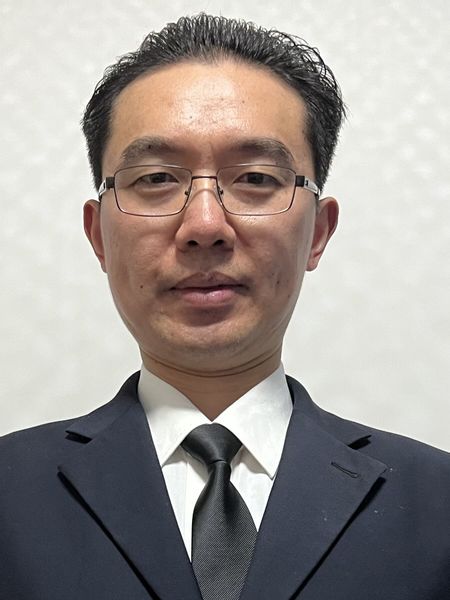 | Prof. Jie Gui Southeast University, China Bio: Jie Gui is a Young Chair Professor at Southeast University and a National Young High-level Talent (one of the national “Four Youth” talent programs). He currently serves as Chair of the Department of Intelligent Security, School of Cyber Science and Engineering, Southeast University, and Deputy Director of the Ministry of Education Engineering Research Center for Blockchain Application and Supervision. He received his Ph.D. in Pattern Recognition and Intelligent Systems from the University of Science and Technology of China in 2010. His research mainly focuses on pattern recognition and AI security, specifically including generative artificial intelligence, adversarial attacks and defenses, and self-supervised learning. He has received the Second Prize of the Natural Science Award of the China Society of Image and Graphics (2025, 1/3) and was listed among Stanford University’s World’s Top 2% Scientists in 2024 and 2025, among other honors. He serves as an editorial board member (Associate Editor) for journals including ACM Computing Surveys and IEEE T-CSVT. Speech Title: Artificial Intelligence Security |
 | Assoc. Prof. Zitong Yu Great Bay University, China Bio: Zitong Yu, Tenured Associate Professor at Great Bay University, National High-Level Young Talent, Vice Chair of CCF Dongguan Chapter, Deputy Secretary-General of the Biometrics Technical Committee (CSIG), Chair of the Affective Computing Technical Committee (GDSIG), and Deputy Director of Dongguan Key Laboratory of Intelligent Information Technology. Her research interests lie in micro-vision computing. She has published over 50 high-profile papers including Cell-family journals and TPAMI, with >12,000 Google Scholar citations and 24 authorized national invention patents. Honors include the National Excellent Overseas Student Award, IEEE Biometrics Council Rising Star Award (one global awardee annually), and IAPR Best Student Paper Award. Her technologies have been applied at China CDC, winning the 3rd Prize of CCF Science and Technology Progress Award (1st contributor), the 1st Prize of GDSIG Science and Technology Progress Award (1st contributor), and the 1st Prize of GDSIG Natural Science Award (1st contributor). Speech Title: Human-Centered Subtle Visual Computing |
 | Assoc. Researcher Shuyi Li Beijing University Of Technology, China Bio: Dr. Shuyi Li is an Associate Researcher and Ph.D. Supervisor at the School of Information Science and Technology, Beijing University of Technology (BJUT). She is a recipient of several prestigious honors, including the Overseas Postdoctoral Talent Introduction Program, the Macao Young Scholars, the Beijing Haiju Project, the Beijing High-Level Overseas Returnee Talent Program, the BSIG Most Beautiful Female Sci-Tech Worker Award, and the Young Outstanding Talent of the BJUT High-Level Talent Team Construction Plan. Her research focuses on biometric recognition, visual multimodal fusion, and federated learning. She has published over 50 papers in premier international journals and conferences (IEEE TIP, TIFS, TMM, TBIOM, TCSVT, PR, AAAI), authored an English monograph, and applied 12 invention patents. As Leader, she presided over 10 projects funded by NSFC, Beijing NSF, and Macao Young Scholars, and serves as a Committee Member of the CSIG Technical Committee on Biometrics. Speech Title: Hand Multimodal Biometric recognition in Open Environments |
 | Assoc. Prof. Xinxin Zhang Shandong University, China Bio: Xinxin Zhang is an Associate Professor and Master’s Supervisor at the Artificial Intelligence Research Center, School of Software, Shandong University. She received a Ph.D. from The Chinese University of Hong Kong. Her research mainly focuses on image processing and computer vision, with current specific directions in 3D reconstruction and image registration. She was selected for the Shandong Provincial Young Science and Technology Talent Support Program and has served as principal investigator for the General Program and Youth Program of the National Natural Science Foundation of China, the General Program and Youth Program of the Shandong Provincial Natural Science Foundation, and research projects commissioned by enterprises and institutions. She is also the leader of the “Youth Innovation Team Program” for higher education institutions in Shandong Province. She has received the Special Prize of the Shandong Provincial Artificial Intelligence Teaching Achievement Award, the First Prize of the Artificial Intelligence Science and Technology Progress Award, the Second Prize of the Qingdao Science and Technology Progress Award, and the Second Prize of the Jinan Outstanding Natural Science Academic Achievement Award. She has published more than 30 academic papers in international journals and conferences such as TIP, TMM, and TCSVT, and holds more than 20 authorized invention patents at home and abroad. Speech Title: Retinal Image Registration under Large-Scale Deformation |
 | Assoc. Researcher Zekuan Yu Fudan University, China Bio: Zekuan Yu received his Ph.D. from Peking University and began postdoctoral research at Fudan University in January 2020. He has been selected for the Shanghai Super Postdoctoral Program, recognized as an Outstanding Postdoctoral Fellow in Innovation and Entrepreneurship at the national level and an Outstanding Postdoctoral Fellow at Fudan University, and selected for the Shanghai Lanchu Talent Program, Fudan University’s strategic Zhuoxue talent program, and a provincial program for leading talents in innovation and entrepreneurship. Speech Title: Optimizing Multi-Task Federated Learning for Multicenter Medical Imaging |
 | Assoc. Prof. Jinrong Cui South China Agricultural University, China Bio: Jinrong Cui, Associate Professor and Master’s Supervisor. Senior Member of CCF and CSIG; Committee Member of the CSIG Women’s Work Committee and CSIG Youth Work Committee; Deputy Secretary-General of the CSIG Biometrics Recognition Committee, and Deputy Secretary-General of the Computer Vision Committee of Guangdong Society of Image and Graphics; Guangdong Rural Science and Technology Commissioner. She received her PhD degree from Harbin Institute of Technology (Shenzhen). Her main research interests include palmprint recognition, missing multi-view clustering, computer vision, intelligent fire protection, etc. She was a Senior Visiting Scholar at the University of Manchester, UK. She has published more than 60 journal and conference papers, among which over 40 papers were published as the first or corresponding author in top international journals such as TMI, TIP, TNNLS, Neural Networks, and prestigious international conferences including ACM MM and ICME. She has presided over more than 10 national, provincial and horizontal research projects including the General Program and Young Scientists Fund of the National Natural Science Foundation of China. She was awarded the First Prize of Excellent Paper Award by Guangdong Computer Society. Speech Title: Research on Missing Multimodal Learning Algorithm for Brain Disease Detection |
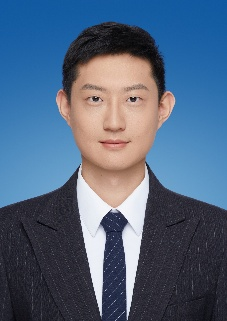 | Assoc. Researcher Zhiyi Pan Tianjin University, China Bio: Zhiyi Pan, Pre-Tenure Associate Professor and Ph.D. Advisor at the School of Computer Science and Technology, Tianjin University. He is a key young faculty member at the Visual Intelligence Laboratory of Tianjin University and the National Key Research Base for Surface Monitoring and Analysis of Cultural Relics under the State Administration of Cultural Heritage. He has led and participated in projects funded by the National Natural Science Foundation of China (NSFC) Young Scientist Fund (Type C), the NSFC Joint Fund, the NSFC General Program, and an independent project from a certain national agency. He has long been engaged in research in the field of artificial intelligence, with primary research interests including 3D vision, multimodal learning, and efficient learning from labeled data. He has published more than 20 papers in prestigious international journals (such as IEEE TPAMI and TIP) and at major international conferences (such as CVPR and NeurIPS). His research achievements have earned him the First Prize in the Natural Science Award from the Shandong Provincial Association for Artificial Intelligence (ranked 2nd). Speech Title: Efficient Learning Architectures and Methods for 3D Point Clouds Semantic Segmentation |